
Graphic design gives a professional business website its credibility through layout, color, and branding that win visitor trust in seconds. Every spacing choice and color pairing tells visitors how seriously your company takes its work.
Most owners, though, treat visuals as decoration added in the final week. At Emaglink Web Design, we’ve seen websites hold visitors’ attention when businesses plan their layout and branding before development begins.
To help you plan ahead, this guide explains how visitors judge your homepage and why consistent branding sticks. It also covers design costs for different budgets and how your website visuals carry into social posts.
Let’s get right into it.
Graphic Design Services Influence How Customers See Your Business
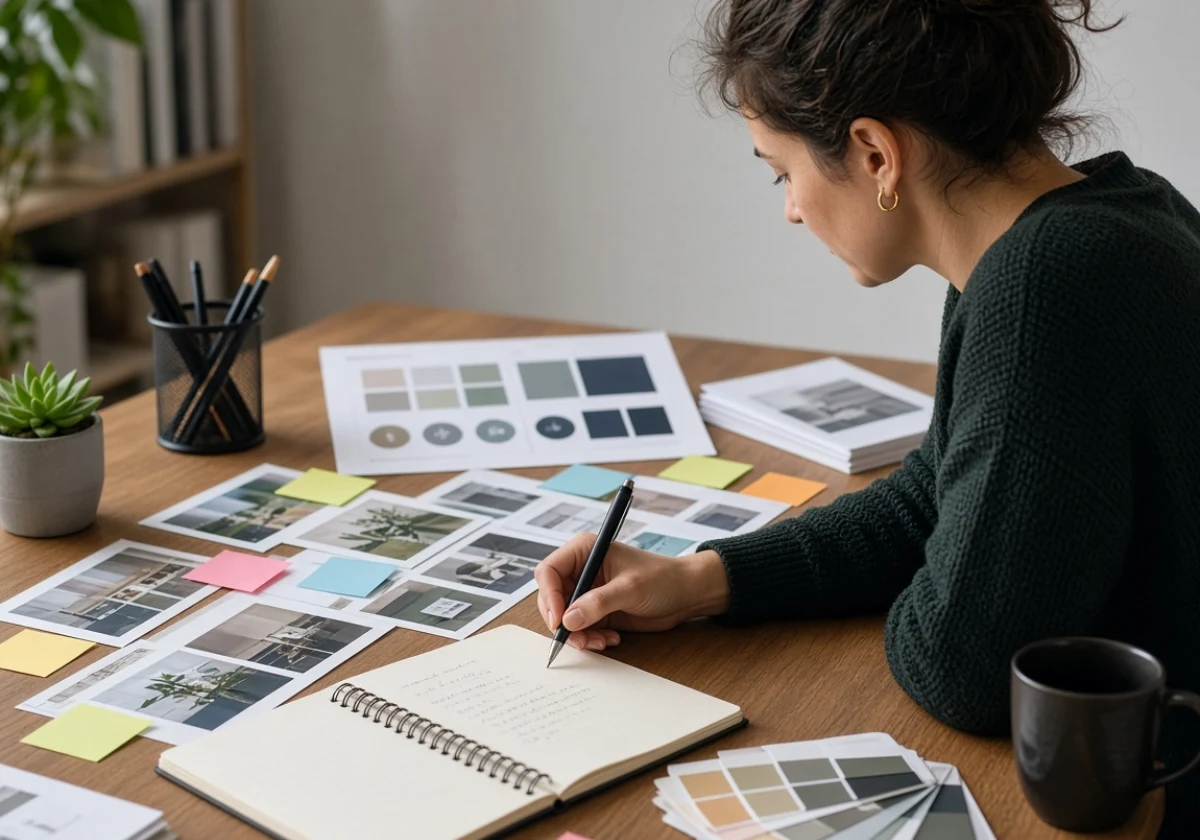
Your homepage has only a split second to make an impression before visitors start reading. In those first moments, graphic design services use type, spacing, and color to make your company look professional and trustworthy.
It helps to look at three parts of the process.
Why First Impressions Form in Under a Second
Your eyes notice colors and shapes before your brain processes written words. In fact, Carleton University researchers found that people can judge a website’s visual appeal in just 50 milliseconds.
Basically, your homepage has very little time to make a good impression. In those first moments, clashing colors and crowded text can put visitors off, while clean spacing encourages them to keep reading.
Speed like that is why your visual choices can’t wait until launch week (looks make the decision). What’s more, fixing a weak layout after launch can be costly, so it’s better to plan the grid and colors early.
How Website Graphics Build Trust With New Visitors
Website graphics build trust when they give visitors a clear picture of your business and the work you do. For example, real photos of your work, clear icons, and readable charts help visitors understand what your business offers.
Stock photos, though, can have the opposite effect, especially when visitors spot the same smiling faces on other websites. That’s why one honest photo of your team feels more personal, especially alongside photos of completed projects.
Beyond photos, smaller design details can influence how visitors see your business. A tidy footer, clear icons, and buttons that look clickable make your website easier to use. Together, these details help visitors feel confident about exploring your services.
What a Graphic Designer Adds That Templates Can’t
Unlike a graphic designer, a template doesn’t account for your products, competitors, or the customers you want to reach.
That’s why two businesses using the same theme can look alike, right down to the main image. To avoid this, a good designer adjusts the fonts, spacing, and images to suit your business. They also consider accessibility and follow guidelines so people with disabilities can use your website.
Across the projects we’ve worked on, we’ve found that a new template rarely fixes the problem. Often, a few changes to fonts, spacing, and photos are enough. Skilled graphic designers know which changes to make and brief your web developers so the finished website matches the design.
Why Does Business Branding Depend on Consistent Web Design?
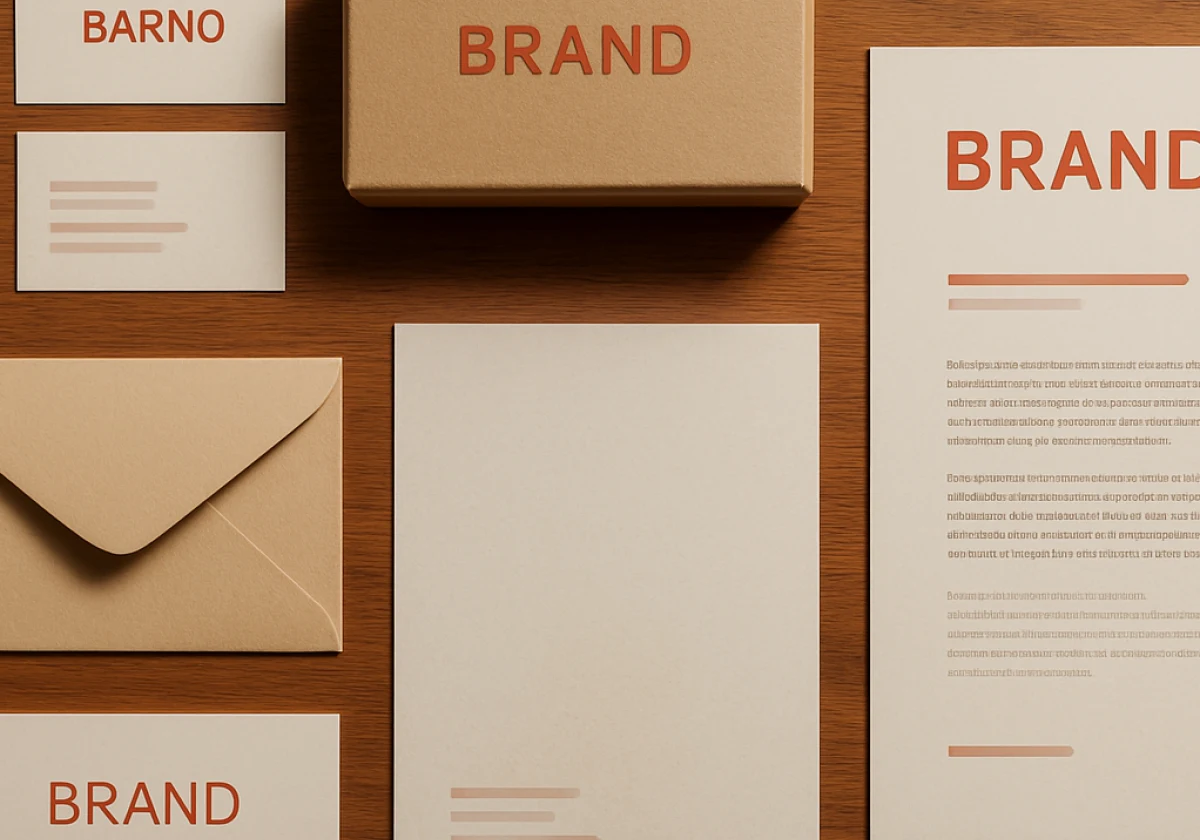
Customers remember brands they recognize, and cohesive web design helps with that. When your colors, fonts, and logo stay the same, your business becomes easier to identify.
To maintain that familiar look, focus on these four design elements:
- Color Palette: Stick to two or three fixed colors instead of using a wide range. At the same time, keep strong contrast between text and backgrounds so people with visual impairments can read easily. When you use these colors regularly, visitors may even recognize your brand by the colors of your buttons.
- Typography: Too many fonts can make your website look poorly planned and distract visitors from your content. To avoid that, keep one font for headings and another for body text across every page. Then, use clear differences in font size so readers can easily follow each section.
- Logo Placement: Keep your logo in the same top corner on every page so visitors can easily return to your homepage. Make it clickable, too, so they can get back home without searching for a menu.
- Imagery Style: When photos use different lighting and editing styles, your pages can feel disconnected. That’s why it’s best to keep cropping and color tones consistent across your website.
These four choices cost nothing to plan and very little to put into practice. Once you’ve made your decisions, write down the details in a one-page style guide. That way, every new page follows the same style, including templates you use for press releases.
Design Resources and Tools: Where Small Business Owners Find Help
Today, small business owners across the United States can find design help at almost any budget. You can start with free tools, hire a freelance designer, or work with a full team. To choose the right option, think about how often your business needs new designs.
The table below looks at the three routes side-by-side.
| Route | Cost | Speed | Skill Level | Best Fit |
|---|---|---|---|---|
| DIY design tools | Lowest | Same day | Beginner | Social posts, simple flyers, light video editing |
| Freelance Graphic Designers | Mid-range | Days to weeks | Trained specialist | Logos, branding, single-site projects |
| Full-service agencies | Highest | Weeks | Full team | Multi-channel rollouts for a larger business enterprise |
Before choosing, think about how often you’ll need new designs and the time you can spend making them. A free tool may suit occasional updates, while regular design work may call for professional help.
Putting Website Design and Social Media Graphics to Work Together

Once your branding is consistent on site, the next step is carrying those visuals into your social channels. Your profile picture, cover image, and post templates should use the same colors and fonts.
That repetition helps when people scroll quickly through social media and only glance at each post. When the colors match a website they visited last week, people may recognize your business before reading the caption.
We build social templates alongside the site for this reason. And you don’t need a design degree to use them. Set up three or four post layouts, then swap the photo and the text for each new campaign.
Along with the visuals, keep your business information consistent across platforms. Use the same contact details, tagline, and offer details wherever customers find you. Your frequently asked questions page should give the same answers, so customers don’t get different information across platforms.
Keep the information steady too, including the same contact details, tagline, and offer wording on every platform you use. Your frequently asked questions page should give the same answers, so customers don’t get different information across platforms. Otherwise, they may wonder which details are current.
Social media also feeds your site the other way. For example, posts that perform well usually point to content worth moving onto your homepage.
Ready to Give Your Business Website a Professional Edge?
Good design helps visitors feel confident enough to stay and read what you offer. As you’ve learned by now, a poor first impression can drive potential customers away, but thoughtful graphic design can help prevent that.
So, where should you begin? Pick your colors, fonts, and logo rules first, then apply them to every page. Keep your website and social media graphics consistent, too. These choices can stretch a small budget further than one expensive feature page ever will.
Your next step is getting the right design support. Emaglink Web Design builds websites and graphics for businesses of every size. Our team will guide you through the process.
Contact us today for a quote.